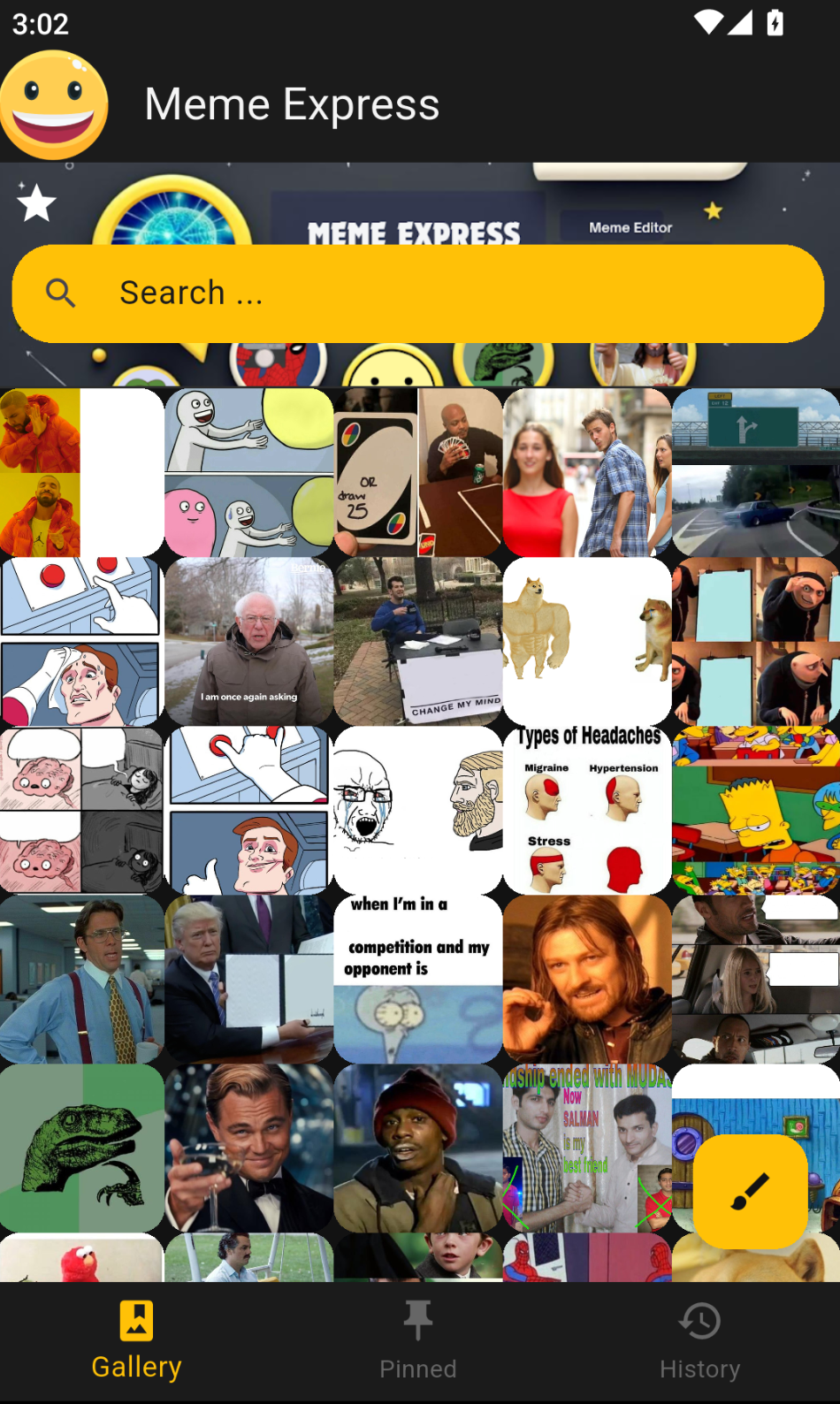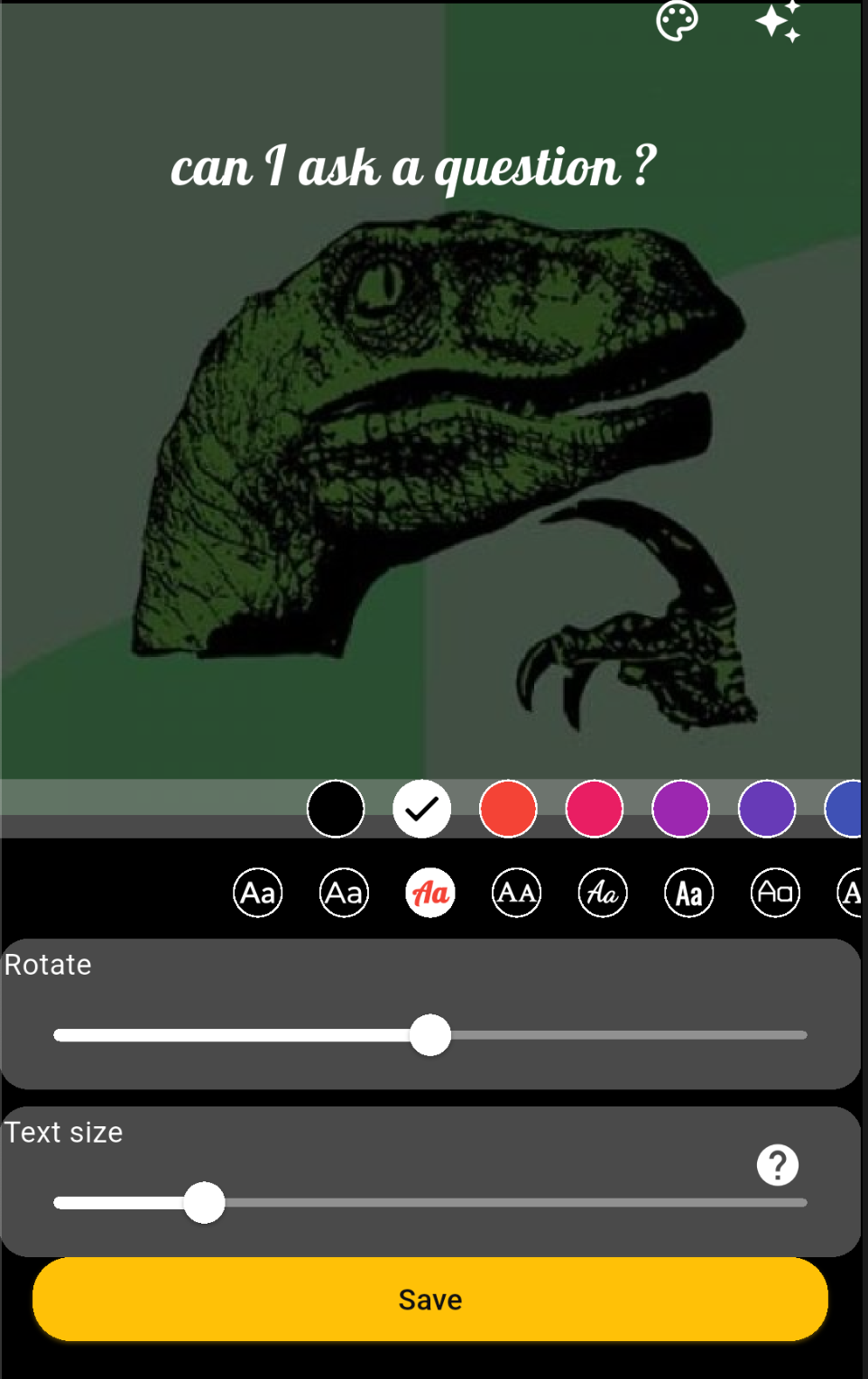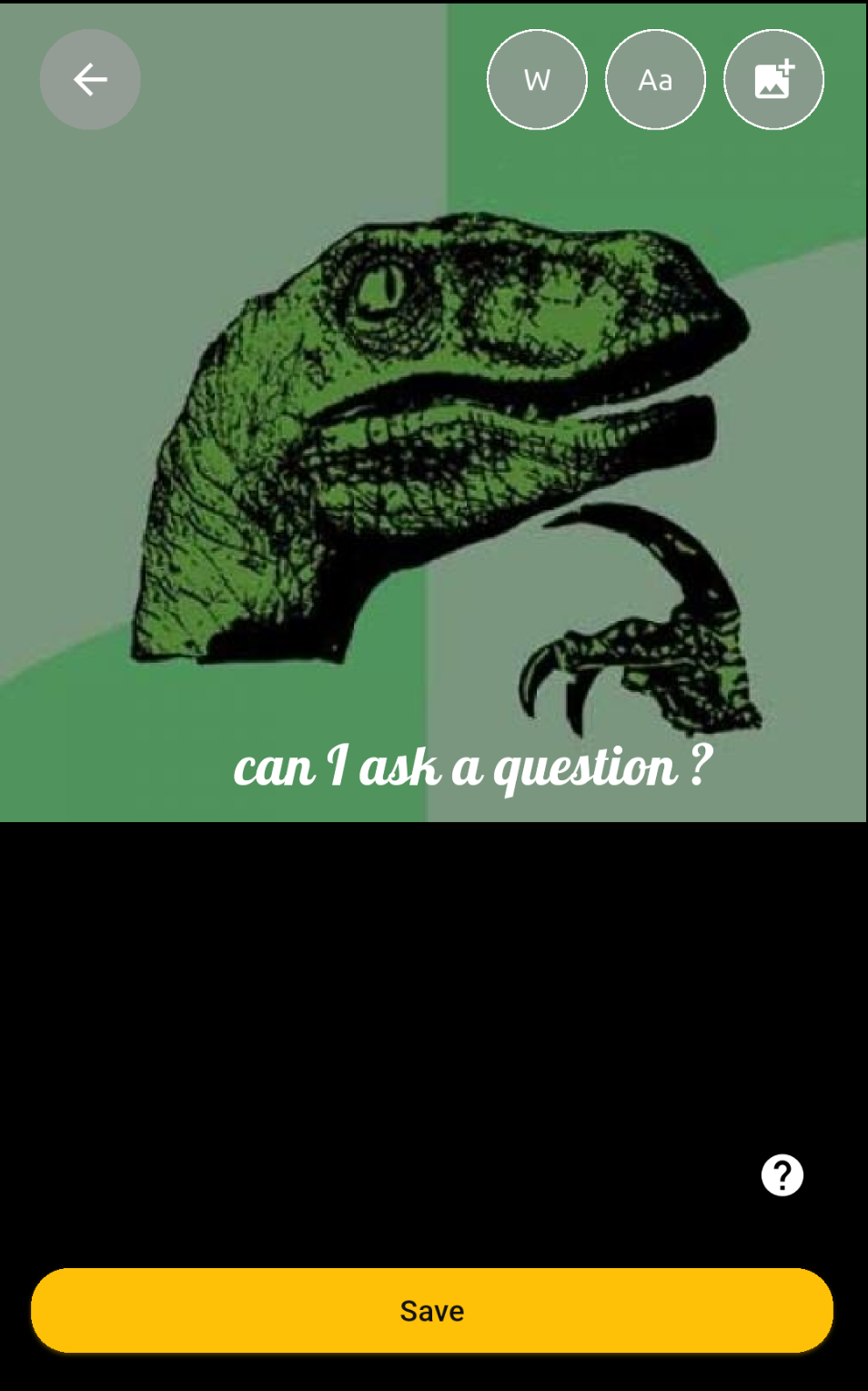
Meme Express is a free and easy meme maker.
With Meme Express , you can access to a gallery of 10.000+ meme templates.
You can upload your own templates or start from scratch with empty ones.
Then you can share meme you created with friends.
Meme Express is available as a mobile app and a simplified web version.
In a world overloaded with information, cold text and static icons often fail to capture attention. Memes, on the other hand, combine visuals, emotion, and cultural context into a single, easily digestible format. The human brain processes images faster than text, and when humor or relatability is added, the message becomes not only clearer but also more memorable.
Unlike plain instructions or warning icons, memes create an instant emotional connection. A well-chosen meme can make users pause, feel something, and actually understand the message instead of just skimming past it. This is especially important in areas like safety, education, or awareness, where engagement directly affects effectiveness.
Memes also leverage familiarity. Many formats are already widely recognized, so users don't need to "learn" how to interpret them. This reduces cognitive load and allows the message to be delivered faster and more effectively than traditional UI elements.
Finally, memes are naturally shareable. People are more likely to share something that is funny or relatable than something purely informational. This turns each piece of content into a potential viral message, extending reach far beyond what cold text or icons could achieve.
One of the biggest challenges on social networks is expressing exactly what you mean in a fast, crowded environment. Text alone can be misunderstood, and icons are often too limited. Memes bridge this gap by combining image, tone, and context, allowing users to communicate not just information—but emotion, intention, and nuance all at once.
A single meme can carry layers of meaning: sarcasm, humor, frustration, excitement, or even criticism. This makes it much easier to express complex feelings that would otherwise require long explanations. Instead of writing multiple sentences, users can deliver their message instantly and clearly with the right meme.
Memes also reduce the risk of misinterpretation. On social networks, tone is often lost in plain text, leading to confusion or conflict. Memes provide visual cues and familiar formats that help others understand the intended emotion behind the message, making communication more accurate.
In addition, memes allow users to stay authentic while being concise. Social platforms reward short, engaging content, and memes fit perfectly into this behavior. They help users say exactly what they want—without over-explaining or losing attention.
Ultimately, memes empower users to express themselves fully in a format that is fast, relatable, and widely understood. Instead of being limited by words or symbols, users can communicate closer to “100%” of what they actually mean.
Memes have become one of the most effective tools in modern advertising because they blend marketing with entertainment. Instead of feeling like a traditional ad, a meme feels like native content—something users already enjoy consuming. This reduces resistance and makes people more open to the message.
One of the key strengths of meme-based ads is higher engagement. Users are far more likely to like, comment, and share content that makes them laugh or feel understood. This organic interaction significantly boosts reach without requiring additional advertising spend.
Memes also improve message retention. A humorous or relatable visual paired with a simple idea sticks in memory longer than a block of text or a generic banner. This means users are more likely to remember the brand or message even after scrolling past it.
Additionally, memes help brands appear more human and relatable. Instead of sounding corporate or distant, brands using memes can communicate in a tone that feels familiar and current. This is especially powerful when targeting younger audiences who are deeply embedded in internet culture.
However, effectiveness depends on relevance and timing. A meme that feels outdated or forced can have the opposite effect, making the brand seem out of touch. When done right, though, memes can turn simple ads into highly engaging, shareable content that spreads naturally across platforms.